ÌýFor the first time in Ukraine, reintroduction was organised as a complex process that was not limited to just releasing fish into the river. WWF-Ukraine conducted preliminary studies of sturgeon habitats in the Ukrainian part of the Danube, as well asÌý
genetic analysisÌýto ensure that the sterlets were of Danube origin.
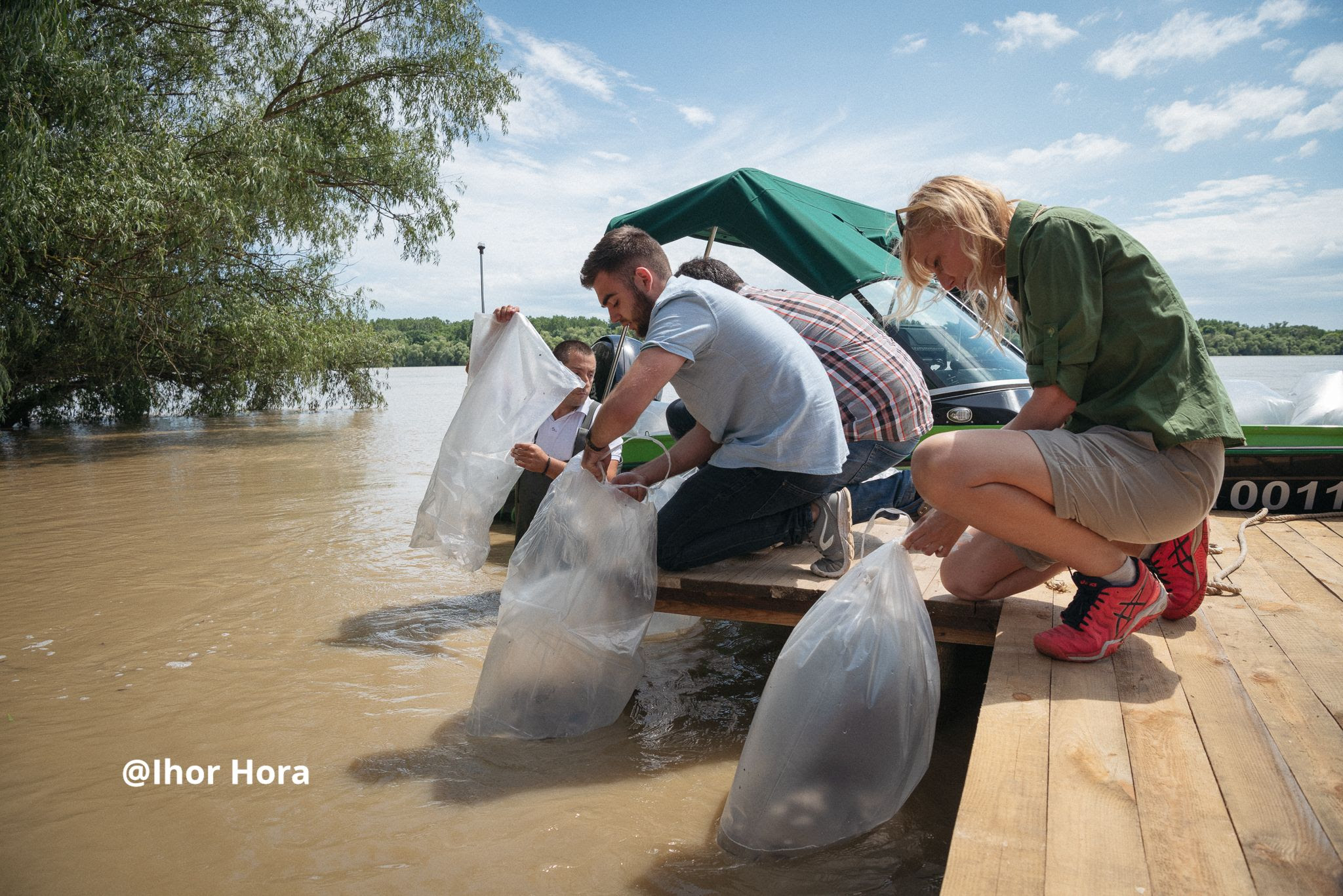
One thousand sterlets were tagged.
Ìý‘Sterlet were tagged in the least traumatic way by injecting a blue pigment under its skin,”Ìýsays Inna Hoch.Ìý“This is the first attempt at long-term monitoring of released fish, which has not yet existed in our country’.
As pure freshwater species, the sterletÌý(Acipenser ruthenus)Ìýdoes not need to migrate to the Black Sea. The sterlet is the most common sturgeon in the Danube River Basin and the only one found above the Iron Gate Dams. But even their fate is not looking too prosperous, as according to the International Union for the Conservation of Nature (IUCN), theÌýsterlet population fell by about 70 percentÌýin the 20thÌýcentury. The fragmentation of rivers by transversal structures like hydropower dams or flood protection measures poses a threat to natural fish populations if they are no longer able to migrate between important habitats like spawning grounds, feeding grounds and wintering habitats, butÌýÌýis one of the significant causes of this negative trend.
Currently, all sturgeon species living in Ukrainian waters are rare and listed in the Red Book of Ukraine with different conservation statuses.Ìý‘In Ukraine, there are 6 species of sturgeon, occurring most often in the Danube basin’,Ìýcomments Inna Hoch, WWF-Ukraine Freshwater Manager.Ìý‘The species that outlived the dinosaurs have almost become extinct due to human activity’.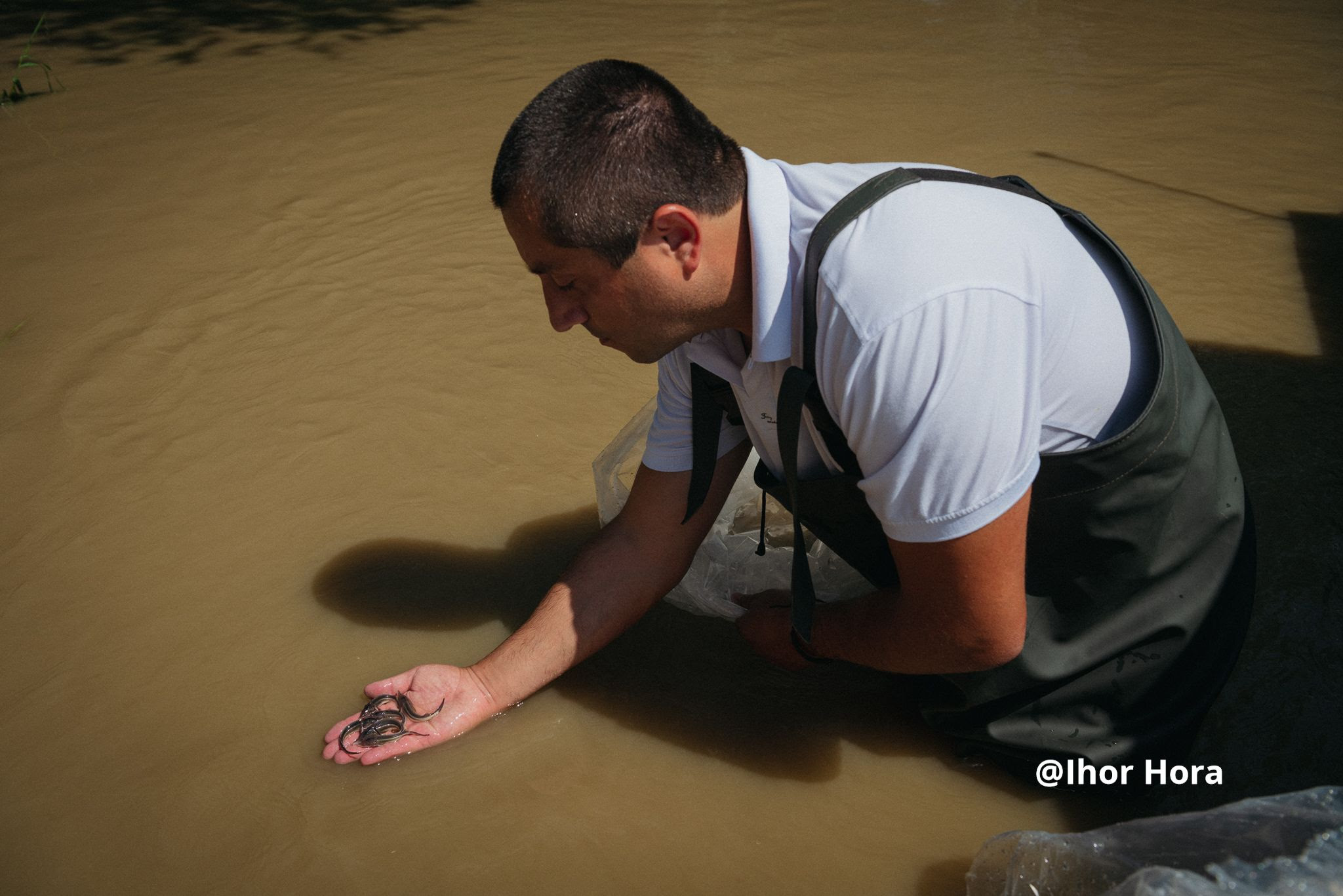
WWF-Ukraine has been involved in sturgeon conservation activities for over five years. WWF Central and Eastern Europe’s (WWF-CEE)ÌýÌýProject has significantly strengthened this work at the state level by proposing a framework for theÌýNational Action Plan for Sturgeon Conservation in Ukraine for 2021-2030. The Plan was created in cooperation with the Ministry of Environment and Natural Resources of Ukraine and leading scientists in December 2020 based on theÌýÌýadopted at the 38thÌýStanding Committee Meeting ofÌýÌý(EU Habitats Directive). This most recent Danube sturgeon reintroduction was the first step towards the implementation of this Action Plan.
Stocks were raised thanks to cooperation betweenÌýÌýandÌý, and donations from Ukrainian donors during WWF-Ukraine’s New Year’s ‘Gift to Nature’ Campaign. In January 2021, more than a thousand Ukrainians donated about 262,000 UAH (approx. 8,000 EUR), to preserve this ancient fish in Ukraine.


